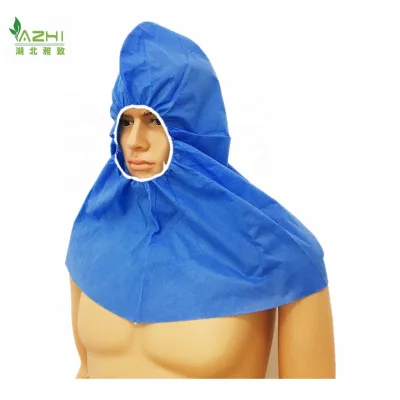
Source CE Class I Surgical Hood for Hospital, Medical, Industrial Use
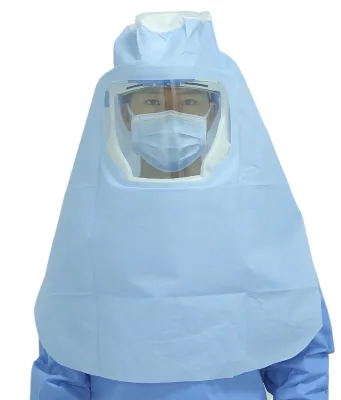
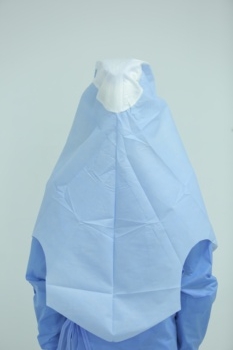
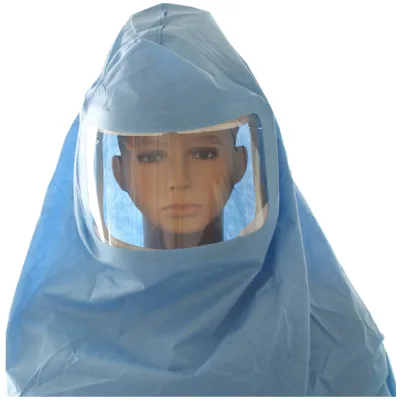
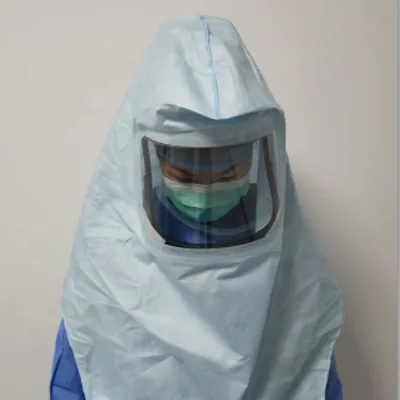
Compare 30 CE Class I surgical hood options from verified Chinese manufacturers. Buyers can evaluate features like sterilization methods, material composition, and customization availability for hospital, medical, and industrial applications.
Key considerations
Products List


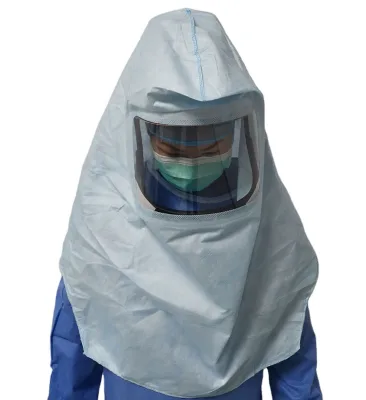
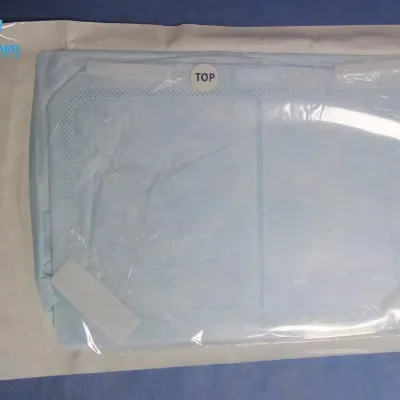


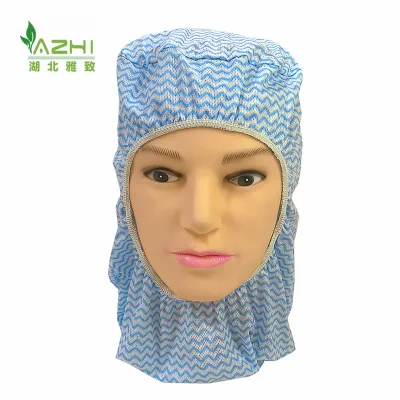
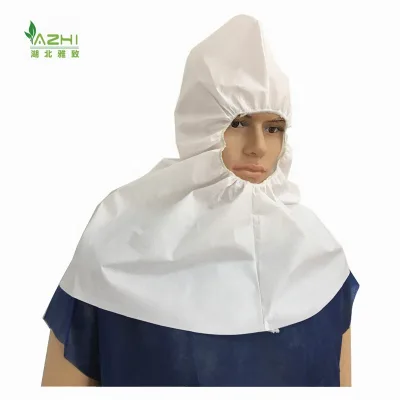
Comprehensive Sourcing Guide
Strategic Sourcing Guide for CE Class I Surgical Hoods
Procuring medical protective equipment, specifically surgical hoods classified under CE Class I, requires a disciplined approach that balances regulatory compliance, technical specifications, and supply chain reliability. For buyers operating in the medical, industrial, or household sectors, understanding the nuances of these products is essential to mitigate risk and ensure operational continuity. This guide synthesizes available product attributes and industry standards to provide a framework for evaluating potential suppliers and selecting the right protective gear. The focus remains on evidence-based criteria, ensuring that procurement decisions are grounded in verifiable data rather than unverified marketing claims.
Understanding Product Classification and Technical Specifications
The foundation of any successful procurement strategy lies in a precise definition of the product requirements. In the context of surgical hoods, the classification "CE Class I" indicates a low-risk medical device intended for general protection rather than high-risk surgical environments. However, the technical specifications of these hoods vary significantly between manufacturers, influencing their suitability for specific applications.
Buyers must scrutinize the material composition, as this dictates the barrier properties of the hood. Observed product data indicates that materials often include Non-Woven fabrics, Polypropylene, SMS (Spunbond-Meltblown-Spunbond), and Nylon. The choice of material directly impacts the product's weight, measured in Grams per Square Meter (GSM). For instance, specific listings show a range of 9-16 GSM for mop caps, while medical coveralls may range from 25 GSM to 80 GSM. The "100% Wooden Paper" combined with "Medical Grade PE Film" is another observed configuration, suggesting a specific subset of eco-friendly or specialized barrier products.
Dimensions are equally critical. Standardized sizes observed in the market include 3835cm, 4235cm, and 62X12cm. Buyers should verify that the selected hood fits the intended user demographic, with "Adult" being the primary applicable group. The physical state of the product is another key variable; some items are supplied in a folded state, while others are delivered unfolded. Additionally, the presence of a hood, boots, or specific features like thumb gowns must be confirmed against the purchase order to ensure the product meets the functional needs of the medical or industrial setting.
Regulatory Compliance and Certification Verification
Navigating the regulatory landscape is perhaps the most critical step in sourcing CE Class I surgical hoods. The CE marking is a mandatory conformity mark for products sold within the European Economic Area. While the provided data confirms the presence of CE certification in several product listings, buyers must exercise caution. The data also references standards such as ISO 13485, ISO 9001, and FDA, alongside specific mentions of "CE ISO FDA" and "CE ISO13485 ISO9001."
It is imperative to distinguish between the product's claimed certification and the actual regulatory status. CE Class I devices generally do not require a Notified Body to issue a certificate for every single batch, but the manufacturer must still maintain a technical file and declare conformity. When evaluating a supplier, buyers should request the Declaration of Conformity (DoC) and verify the specific standard against which the product was assessed. The presence of "CE ISO FDA" in a listing suggests a broader compliance scope, but this should be validated through official documentation rather than assumed from the product title.
Furthermore, the data highlights a divergence in sterilization methods. Some products are explicitly marked as "Non-Sterilized," while others undergo "Ethylene Oxide Sterilization." This distinction is vital for the intended application. A surgical hood intended for a sterile field must be ethylene oxide sterilized, whereas a general isolation hood for a non-sterile environment may be supplied non-sterilized. Buyers must align the sterilization status with the clinical or industrial protocol of their facility. The absence of ethylene oxide sterilization does not imply a lack of quality, but it fundamentally changes the product's classification and permissible use cases.
Cost Drivers and Pricing Dynamics
The pricing structure for medical consumables is influenced by a complex interplay of factors, including material costs, production complexity, and order volume. The observed price range in the market spans from $0.01 to $600 USD. This vast disparity reflects the difference between single-unit consumables and bulk industrial packaging or specialized high-barrier gowns.
The primary cost driver is the material composition. Products utilizing SMS or multiple layers of non-woven fabric generally command a higher price point than those made from single-layer polypropylene or wooden paper blends. The weight of the fabric, ranging from 10g to 50g or up to 80 GSM, also correlates with cost; heavier materials typically offer better barrier protection and durability, justifying a higher unit price.
Order volume plays a significant role in determining the final cost. The Minimum Order Quantity (MOQ) ranges from 1 to 100,000 units. Suppliers often offer tiered pricing structures where the unit cost decreases as the order volume increases. For buyers with high-volume needs, negotiating based on the 100,000-unit tier can yield substantial savings. Conversely, smaller orders may incur higher per-unit costs due to the fixed costs of production setup and packaging.
Packaging specifications also impact the overall cost. Variations such as "10PCS/Bg, 10bgs/CTN" versus "100PCS/Bag, 1000PCS/CTN" affect logistics and handling efficiency. Bulk packaging reduces the cost per unit but requires more storage space and inventory management. Buyers should calculate the total cost of ownership, including storage and handling, rather than focusing solely on the unit price.
Typical Applications and Usage Scenarios
Surgical hoods and related protective gear serve diverse sectors, ranging from high-stakes medical environments to industrial and household applications. The observed product names, such as "Industrial Protection," "Hospital," and "Household," highlight this versatility.
In the medical sector, these products are essential for infection control. They are used in operating rooms, examination rooms, and isolation wards to protect healthcare workers and patients from cross-contamination. The "Disposable Isolation Gown and Cap" and "Medical Coverall" categories are particularly relevant here. The filter rating of 99% observed in some listings suggests a high level of protection against particulate matter, which is crucial in environments with airborne pathogens.
The industrial application is equally significant. In the food industry, as noted in the product attributes, hoods prevent hair and debris from contaminating food products. The "Eco-Friendly" and "Waterproof, Dust Proof" features make these products suitable for manufacturing environments where hygiene is paramount. The "Thumb Gown" style indicates a specific design for tasks requiring manual dexterity while maintaining a barrier.
Household use represents a growing segment, particularly for individuals requiring personal protection at home or in community settings. The "Peak Cap" and "Disposable Hood Cover" are examples of products designed for general public use. The "Multicolor" and "Blue" options allow for customization based on brand identity or user preference, adding a layer of psychological comfort and brand recognition.
Supplier Evaluation and Operational Reliability
Selecting the right supplier is as important as selecting the right product. Buyers should evaluate potential partners based on their production capabilities, quality assurance systems, and logistical reliability. The data indicates that the origin of these products is China, a major hub for medical consumables manufacturing.
Key evaluation criteria include the supplier's ability to meet customization requests. The attribute "Customization: Available" and "Customized" suggests that many manufacturers can tailor products to specific needs, such as logo printing (though some listings specify "Without Logo Printing") or specific packaging requirements. Buyers should confirm the lead time for custom orders, as the standard delivery date is listed as "Two Weeks." However, this may vary for customized or high-volume orders.
Stock availability is another critical factor. The presence of "Stock: Yes" indicates that some suppliers maintain inventory for immediate dispatch, which is beneficial for urgent procurement needs. For non-stock items, buyers must plan for production lead times. The "Quality Guarantee Period" of "Two Years" for certain items suggests a long-term commitment to product integrity, though this may apply to specific durable components rather than disposable consumables.
When assessing suppliers, buyers should also consider the breadth of their product range. A supplier offering a wide array of materials, from "Polypropylene" to "Non-Woven Fabric," and various sizes, from 38*35cm to 62X12cm, is more likely to be a reliable long-term partner capable of adapting to changing market demands.
Quality Control and Long-Term Procurement Strategy
Implementing a robust quality control (QC) process is essential to ensure that all received goods meet the specified standards. Given the variability in materials and specifications, buyers should establish clear acceptance criteria before placing orders. This includes verifying the GSM, material composition, and sterilization status upon receipt.
For long-term procurement, building a strategic relationship with suppliers is advisable. This involves negotiating favorable terms for recurring orders, such as volume discounts and priority production slots. The "Customization" capability allows buyers to develop unique products that differentiate their offerings in the market.
Buyers should also monitor the regulatory landscape continuously. Standards such as ISO 13485 and ISO 9001 are subject to updates, and suppliers must remain compliant to maintain their certification status. Regular audits or requests for updated certification documents can help mitigate the risk of supply chain disruptions due to regulatory non-compliance.
Finally, sustainability is becoming an increasingly important factor in procurement. The "Eco-Friendly" attribute and the use of "100% Wooden Paper" indicate a market trend toward more sustainable materials. Buyers should consider the environmental impact of their procurement decisions and prioritize suppliers who demonstrate a commitment to sustainable manufacturing practices.
Comparative Analysis of Product Attributes
To facilitate decision-making, the following table summarizes key attributes observed in the market for surgical hoods and related protective gear. This comparison highlights the diversity in specifications and helps buyers identify products that align with their specific requirements.
| Attribute | Option A | Option B | Option C |
|---|---|---|---|
| Material | Polypropylene, Nylon | Non-Woven Fabric | Polypropylene, SMS |
| Weight (GSM) | 10g-50g | 25GSM-80GSM | 9-16GSM |
| Sterilization | Ethylene Oxide | Non-Sterilized | Without Ethylene Oxide |
| Color | White/Blue, Navy | Blue | Multicolor |
| Size | 38*35cm | 42*35cm | 62X12cm |
| Packaging | 100PCS/Bag, 1000PCS/CTN | 10PCS/Bg, 10bgs/CTN | 100PCS/Bag, 1000PCS/CTN |
| Certification | CE ISO13485 ISO9001 | CE | CE ISO FDA |
| Application | Medical, Food Industry | Industrial, Household | Medical, Industrial |
This table illustrates that no single product fits all needs. Buyers must carefully match the specific attributes of the product to their operational requirements. For instance, a hospital requiring high-level barrier protection might prioritize Option B with its higher GSM range and specific sterilization method, while an industrial facility might prefer Option A for its versatility and cost-effectiveness.
Conclusion
Sourcing CE Class I surgical hoods requires a meticulous approach that integrates technical knowledge, regulatory awareness, and strategic supplier management. By focusing on verified attributes such as material composition, sterilization status, and certification standards, buyers can make informed decisions that ensure safety and compliance. The wide range of available options, from disposable caps to full-body coveralls, offers flexibility for various applications, but it also demands a clear understanding of the specific needs of the end-user. Through rigorous quality control and long-term planning, organizations can secure a reliable supply of high-quality protective gear that meets the evolving demands of the medical and industrial sectors.
FAQs
What materials are used for CE Class I surgical hoods?
These hoods typically use non-woven fabrics, polypropylene, SMS, or nylon. Some variants also combine 100% wooden paper with medical grade PE film to ensure barrier protection while maintaining eco-friendly properties for industrial and medical use.
Which certifications are available for these protective hoods?
Many listings confirm CE certification, with some products also meeting ISO 13485, ISO 9001, and FDA standards. Buyers should verify specific documentation as the presence of these marks indicates compliance but requires validation against the actual product batch.
Can I find sterilized surgical hoods in this category?
Yes, some products undergo ethylene oxide sterilization, while others are supplied non-sterilized. The choice depends on the intended application, as sterile hoods are required for specific surgical fields whereas non-sterilized versions suit general isolation or industrial environments.
How does the MOQ vary for these medical consumables?
Minimum order quantities range from 1 unit up to 100,000 units depending on the supplier and product configuration. Bulk orders often benefit from lower per-unit costs, while smaller quantities allow for testing specific materials or packaging styles before committing to large volumes.
What is the typical delivery time for custom orders?
The standard delivery date is listed as two weeks for most items. Customization options are available, but lead times may extend if specific packaging, logo printing, or unique material blends are requested beyond the standard stock inventory.
Which sizes are commonly available for adult users?
Standard sizes observed include 38 by 35 cm, 42 by 35 cm, and 62 by 12 cm. Buyers should verify the specific dimensions against their operational needs, as the product is primarily designed for adult application in medical and industrial settings.
Are these hoods suitable for food industry applications?
Yes, the product attributes explicitly list the food industry as a valid application alongside medical and household use. Features like waterproofing, dust proofing, and high filter ratings make them suitable for preventing contamination in manufacturing and processing environments.